
How long do mattresses last, and what’s the average life span you should expect in 2026? It’s a simple question, but the answer matters more than most people realize – especially when your sleep quality, comfort, and overall health depend on it.
A mattress doesn’t come with an official expiration date, so determining when it’s time for a replacement often comes down to understanding how materials age, how your body changes, and how everyday use affects its performance.
In 2026, mattress longevity looks different than it did even a few years ago. Advances in materials, growing awareness around sleep hygiene, and evolving industry standards have all contributed to updated guidance on how long your mattress should realistically last.
And with more people reporting issues like tossing and turning, morning aches, and nighttime allergies, knowing when your mattress has reached the end of its life can make a meaningful difference in your sleep and well-being.
Before we break down mattress types and the telltale signs of wear, let’s explore what actually determines how long a mattress can stay supportive and why the right timing matters.
What Will Determine How Long Mattresses Last in 2026?
When you’re trying to figure out how long your mattress will last, it helps to understand the factors that cause a mattress to age.
In 2026, materials, construction quality, usage habits, and even your environment all play a role in determining a mattress’s true average lifespan.
Material Type & Construction Quality
The type of mattress you sleep on is one of the biggest predictors of how long it will last. Some materials naturally hold up longer than others:
- Memory Foam: Typically lasts 7–10 years, depending on foam density. Higher-density foam = longer lifespan.
- Hybrid Mattresses: Combine foam with coils and usually last 6–10 years. Quality varies by brand.
- Innerspring: Generally 5–8 years, with coil gauge and count playing a major role.
- Latex Mattresses: The longest-lasting, averaging 8–12+ years, especially if made from natural latex.
If your mattress uses higher-quality materials or reinforced layers, you’ll usually get more years out of it. Lower-density foam, inexpensive coils, or ultra-budget construction tends to break down faster.
How Often You Use Your Mattress
Your mattress ages based on how much you use it, not only how long you’ve owned it.
- A mattress you sleep on every night wears out sooner than one in a guest room.
- Heavier use (like working from bed or sleeping with pets/kids) shortens its lifespan.
- Sleeping in the same spot each night causes uneven wear.
In general, the more regularly you use your mattress, the faster the materials compress or soften.
Your Body Weight & Sleep Position
Your body type has a direct impact on how quickly a mattress shows signs of wear.
- Heavier sleepers put more pressure on the mattress, often reducing lifespan by a few years.
- Side sleepers may see sagging sooner because pressure concentrates in the shoulders and hips.
- Back or stomach sleepers typically experience more even wear.
This doesn’t mean your mattress is low quality, it simply means it’s responding to real-world pressure patterns.
Maintenance, Care, & Environment
How well you take care of your mattress affects how long it can perform at its best.
Good practices that extend lifespan include:
- Using a mattress protector to block spills, dust mites, and allergens.
- Rotating the mattress every 3–6 months (unless the manufacturer says otherwise).
- Maintaining good ventilation and lowering moisture levels to safeguard internal components.
- Avoiding placing the mattress on weak, sagging, or incompatible bed frames.
Poor care like skipping cleaning, letting moisture build up, or using the wrong foundation can cut several years off the mattress’s life.
Mattress Lifespan by Type
Not all mattresses age the same. Materials, construction quality, and daily use habits play a huge role in how long your mattress will last.
Below is the updated average life expectancy for each mattress type in 2026, based on industry standards and new durability trends.
Understanding these differences helps you plan ahead and know exactly when it’s time to prepare your mattress for recycling.
Innerspring Mattresses (5–7 years)
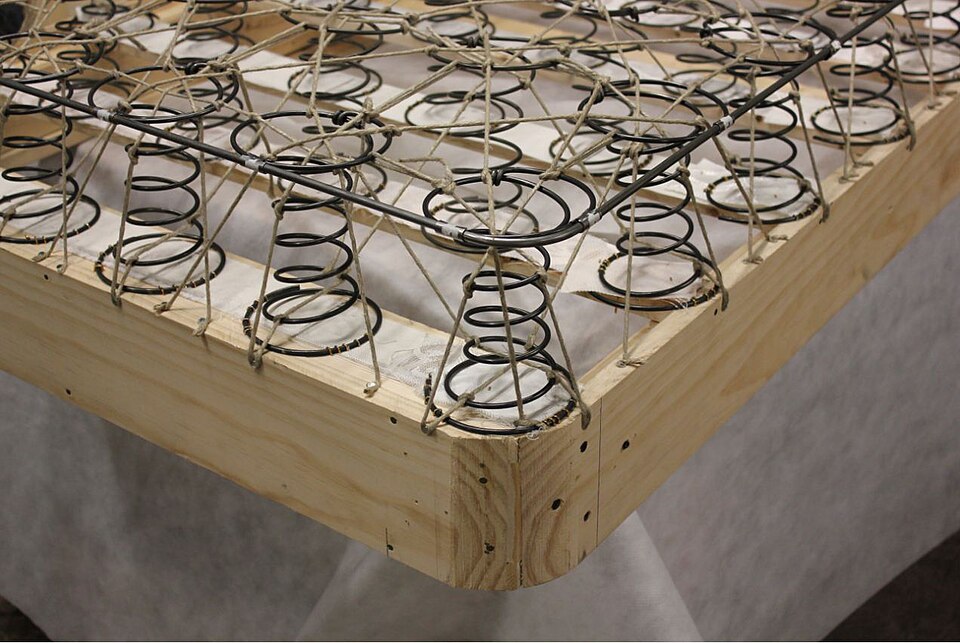
Innerspring mattresses have the shortest life expectancy. Their steel coils lose tension over time, leading to sagging, motion transfer, and reduced support.
If you notice deep impressions or squeaking springs, your innerspring mattress is likely nearing the end of its usable lifespan.
Memory Foam Mattresses (6–10 years)
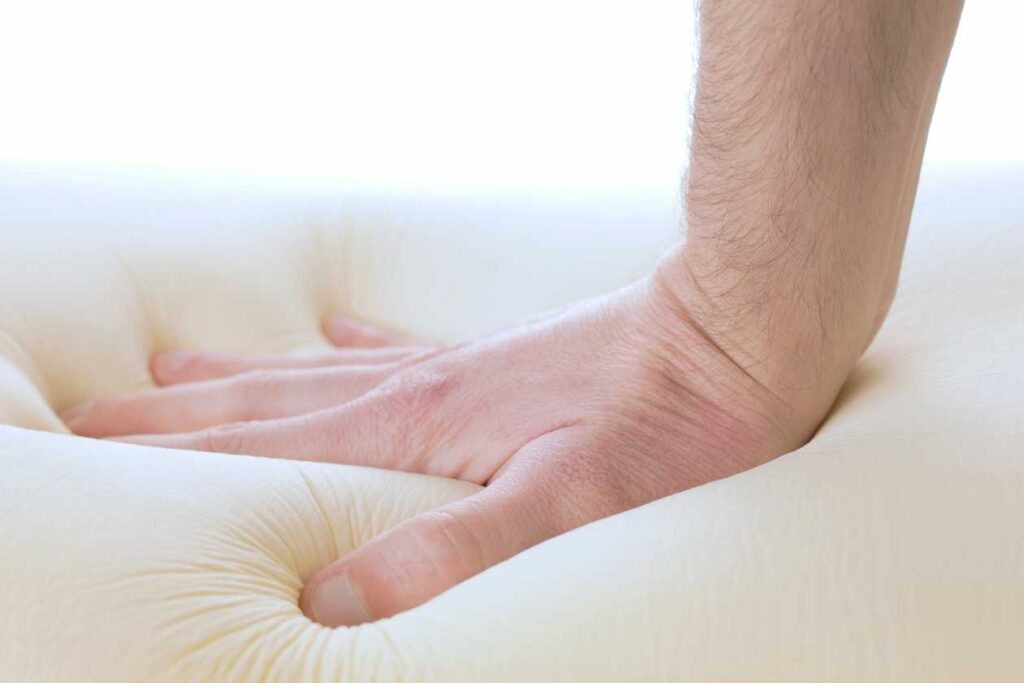
Memory foam mattresses have a longer average life expectancy thanks to their ability to absorb pressure and return to shape.
Higher-density foams tend to last closer to 10 years, while lower-density foams break down faster.
If you’re waking up with aches or noticing slower rebound in the foam, it may be time to replace your mattress.
Hybrid Mattresses (6–10 years)

Hybrid mattresses combine coils with foam or latex, and their life expectancy typically sits between 6–10 years.
Hybrids offer excellent support early on, but because they rely on multiple materials, they can show wear in several areas at once when the coils begin to soften, then the foam sags, and edge support breaks down.
Latex Mattresses (10+ years)
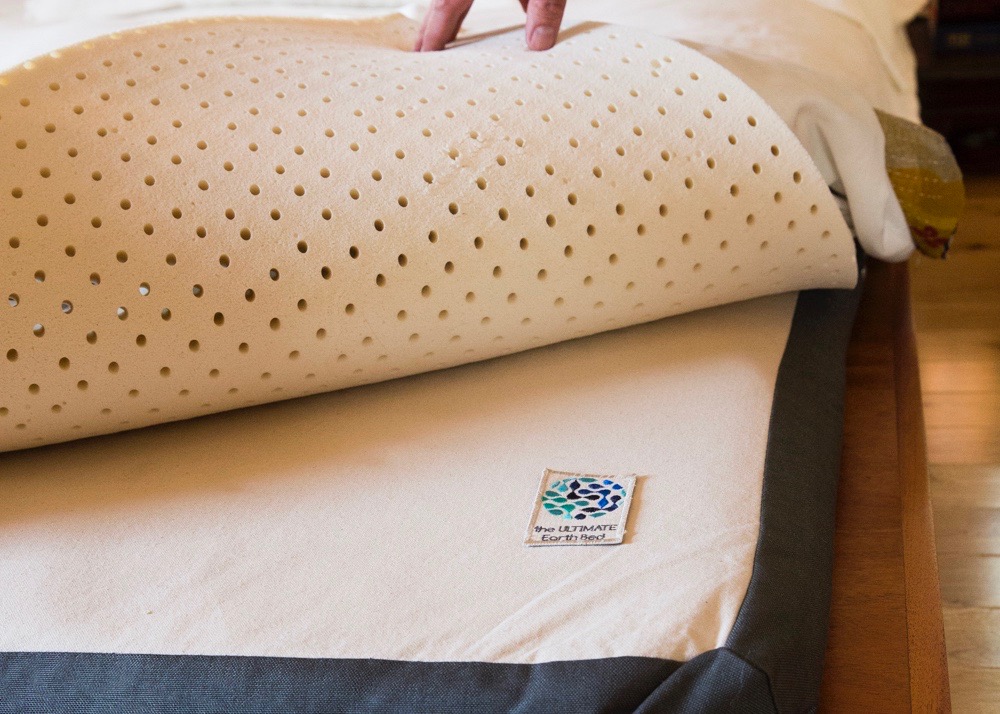
Latex mattresses have the longest average life expectancy, often 10 to 12 years or more.
Natural latex is highly resilient, resistant to sagging, and far more durable than foam.
With proper care, some can last well beyond a decade without noticeable decline in comfort or support.
6 Signs It’s Time to Replace Your Mattress
Even if you’re not counting the years, your mattress will eventually tell you when its lifespan is coming to an end.
From sagging to allergy flare-ups, these warning signs are clear indicators that it’s time to replace your mattress and start thinking about responsible disposal or recycling.
1. Sagging or a Hammock Effect
If you sink into the same spot every night or feel like you’re rolling toward the center, your mattress is losing its structure.
This “hammock effect” happens when foams break down, coils weaken, or materials compress over time.
Once a mattress can no longer support your body evenly, you’ll notice more pressure on your back, hips, or shoulders.
2. Waking Up With Aches and Pains
A good mattress should relieve pressure, not cause discomfort.
If you wake up with stiffness, soreness, or recurring aches that fade throughout the day, your mattress is no longer providing proper alignment.
This is one of the clearest signs your mattress has passed its usable lifespan.
3. Allergies, Dust Mites, and Odor Buildup
As mattresses age, they naturally collect dust mites, dead skin cells, moisture, and allergens.
Even with a mattress protector, older materials trap more buildup over time.
If you’ve noticed increased sneezing, congestion, or lingering odors, your mattress may be contributing to poor sleep quality and indoor air issues.
4. Tossing and Turning Throughout the Night
If you’re suddenly restless or having trouble getting comfortable, your mattress may not be offering the support or pressure relief it once did.
This often happens when the top comfort layers soften or lose resiliency, making it harder for your body to settle into a stable sleeping position.
5. Feeling Your Partner Move More Than Before
Motion transfer increases as mattresses age. If you notice every toss, turn, or bed exit from your partner, the internal materials- especially coils or memory foam – may be wearing down.
This is especially common with older innerspring mattresses or hybrids that have lost their stabilizing layers.
6. Visible Lumps, Impressions, or Fabric Wear
Physical signs of deterioration are a strong indicator it’s time for a replacement. Look for:
- Deep body impressions
- Lumpy or uneven padding
- Torn fabric or exposed seams
- Loose or broken coils
Once structural wear is visible, the comfort and support layers are well past their prime.
When Your Mattress Reaches the End of Its Life, What Happens Next?
Once your mattress reaches the end of its average life expectancy, the next step is making sure you dispose of it responsibly.
Old mattresses don’t only lose comfort, they accumulate dust mites, dead skin cells, allergens, and moisture buildup over the years. That makes proper removal important not only for your sleep quality, but for your health and home hygiene as well.
If you live in the Northeast, especially in states like Massachusetts, mattresses and box springs cannot be thrown away with regular trash.
This policy was designed to keep bulky waste out of overcrowded landfills, protect local environments, and make mattress recycling the new normal statewide.
Instead of sending your mattress to a landfill, consider recycling your mattress to help recover valuable materials like foam, metal springs, and fibers – all of which can support a more sustainable, circular economy.
When your mattress is finally ready to be replaced, choosing recycling is the simplest step you can take to make a positive environmental impact.
👉 Schedule your pickup or drop-off through our Mattress Recycling Store.