
How to get rid of your couch sounds simple, until you’re staring at a bulky sofa that won’t fit through the doorway, let alone into your car. Old couches are heavy, awkward, and surprisingly difficult to dispose of. In many cities, you can’t just leave them at the curb without scheduling a pickup or risking a fine.
Whether you’re moving, upgrading your living room, or replacing a worn-out sectional, figuring out how to get rid of your couch can quickly become stressful.
Here are five smart ways to handle couch disposal the right way.
Table of Contents
1. Donate It (If It’s Still in Good Condition)
If your couch is clean, structurally sound, and free of rips, stains, or strong odors, donation may be your best first option.
Many charities and thrift stores like The Salvation Army accept gently used furniture. However, most organizations have strict requirements:
- No major tears or stains
- No smoke or pet odors
- No sagging cushions or broken frames
- No pest damage
Before hauling it over, call ahead or check the organization’s website. Policies vary, and many locations won’t accept furniture that doesn’t meet condition standards.
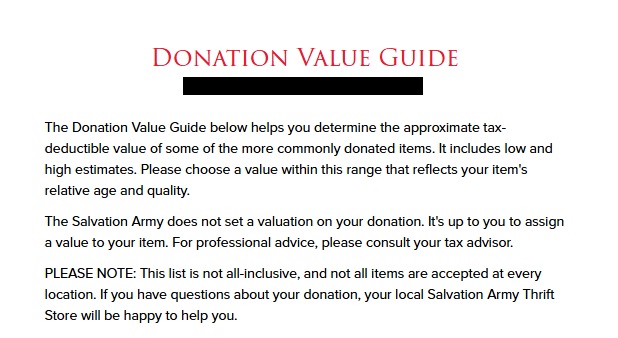
If your couch is older than 7–10 years or visibly worn, donation likely won’t be an option.
2. Schedule Bulk Trash Pickup Through Your City
Some municipalities offer bulk waste pickup for large items like sofas and sectionals.
This usually requires:
- Scheduling in advance
- Placing the couch at the curb on a designated day
- Following preparation rules (wrapping or tagging requirements)
However, bulk pickup availability depends entirely on your city. Some towns charge fees. Others limit the number of pickups per year. In areas with landfill restrictions or waste bans, special handling may be required.
If you’re unsure, check your local Department of Public Works (DPW) website for details as shown in the example below.
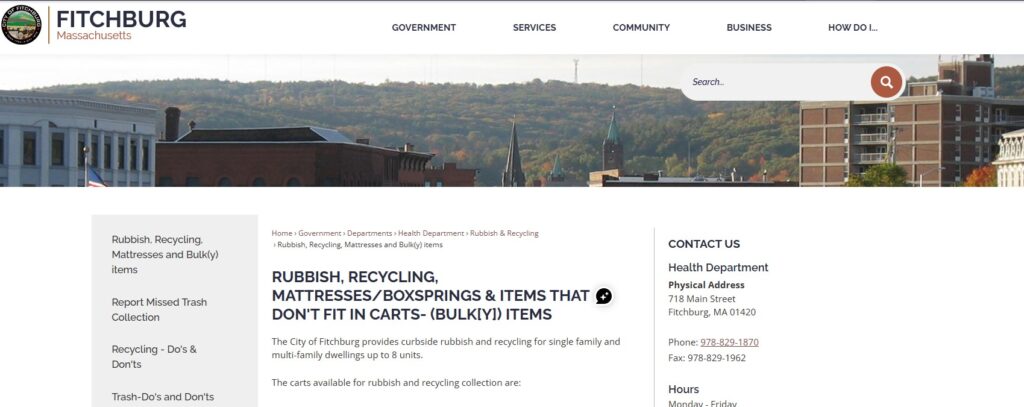
Bulk pickup can work — but it isn’t always the fastest or most environmentally friendly solution.
3. Hire a Junk Removal Service
If convenience is your top priority, hiring a junk removal company is often the quickest way to get rid of your couch.
A team will come to your home, carry it out, and handle disposal. This is especially helpful if:
- The couch is upstairs
- You don’t have help lifting it
- You need it gone quickly
Costs vary depending on your region and item size, but large furniture removal can be expensive.
One important question to ask: Where does the couch go afterward?
Many junk removal services send furniture directly to landfills unless recycling is specifically requested. If environmental impact matters to you, it’s worth confirming their process.
4. Recycle Your Couch Responsibly
Recycling is one of the most environmentally responsible answers to how to get rid of your couch.
Couches are built from materials like:
- Wood frames
- Metal components
- Foam cushions
- Fabric and textiles
When sent to a landfill, these materials can take decades to break down. But at a specialized recycling facility, they can be separated and reused.
Furniture recycling helps:
- Reduce landfill overcrowding
- Recover reusable materials
- Support a circular economy
- Prevent illegal dumping
Instead of treating your old couch as waste, recycling treats it as a collection of reusable resources.
If sustainability matters to you, recycling is often the best long-term solution.
5. Drop It Off at a Licensed Furniture Recycling Facility
If donation isn’t an option and your city doesn’t offer bulk pickup, drop-off recycling may be your most reliable path.
At licensed recycling centers, furniture is dismantled so usable materials can be recovered properly.
For example, at Tough Stuff Recycling’s Fitchburg, MA location, furniture drop-offs are accepted for:
- Sectionals
- Sofas
- Recliners
- Office chairs
- Crib mattresses
Drop-off recycling gives you peace of mind knowing your couch won’t contribute to landfill waste or illegal dumping.
What Happens If You Just Leave It Outside?
It’s tempting to put a couch on the curb with a “Free” sign and hope someone takes it.
Sometimes that works.
But often, it doesn’t.
Abandoned furniture can:
- Sit outside for days
- Become weather-damaged
- Attract pests
- Result in city fines
- Contribute to illegal dumping issues
Once exposed to rain or snow, most donation centers won’t accept it. And if it remains too long, municipalities may issue violations.
Planning ahead prevents unnecessary stress.
How to Choose the Best Option
If you’re deciding how to get rid of your couch, ask yourself:
- Is it clean and usable? → Try donation.
- Does my city offer bulk pickup? → Check local rules.
- Do I need immediate removal? → Consider junk hauling.
- Do I want the most responsible solution? → Choose recycling.
Your situation will determine the right choice — but recycling consistently offers the most sustainable outcome.
Why Couch Disposal Matters More Than You Think
Millions of large furniture items are discarded each year in the U.S. Most end up in landfills, where bulky materials consume space and linger for decades.
Improper disposal can also contribute to illegal dumping, which affects neighborhoods, parks, and local infrastructure.
Choosing responsible couch recycling helps:
- Reduce environmental strain
- Recover valuable materials
- Support sustainable waste management
- Keep communities cleaner
A single couch might not seem significant — but multiplied across thousands of households, the impact is substantial.
Ready to Get Rid of Your Couch the Right Way?
If you’re located in Massachusetts, Tough Stuff Recycling offers furniture drop-off services at our Fitchburg recycling center.
We make it simple, compliant, and environmentally responsible.
👉 Learn more about Furniture Recycling or plan your drop-off today.
Getting rid of your couch shouldn’t be stressful — and it shouldn’t harm the environment.